Introduction
Artificial intelligence is moving fast, honestly, faster than most people expected. Just a few years ago, AI felt like something optional. Today, it’s everywhere: search engines, social media, hiring systems, healthcare tools, and even customer support. Because of this rapid growth, governments are now trying to catch up. That’s exactly why AI regulation news today has become such a hot topic.
From my own experience of following tech and digital policy trends, I’ve noticed that people are not afraid of AI itself; they’re worried about how it’s being used. Privacy issues, biased decisions, and a lack of transparency are pushing lawmakers to step in. In this article, I’ll break down the latest AI regulation news today, explain what these laws mean in simple terms, and share why they matter for businesses and everyday users.
What Does AI Regulation Actually Mean?
AI regulation simply means setting rules for how artificial intelligence can be developed and used. These rules are designed to reduce harm while still allowing innovation to continue.
The main goals behind AI regulation include:
- Protecting personal data and user privacy
- Preventing unfair or biased AI decisions
- Making AI systems more transparent
- Holding companies accountable
In plain words, AI regulation is about using AI responsibly, not banning it.
AI Regulation News Today: What’s Happening Globally
If you look at AI regulation news today, you’ll notice one thing clearly: every country is taking a slightly different path.
🇪🇺 European Union
The EU is leading the way with its risk-based AI Act. AI systems are divided into categories based on how risky they are. Tools that affect people’s rights, jobs, or safety face strict rules. From a policy point of view, this makes sense; higher risk should mean higher responsibility.
🇺🇸 United States
In the U.S., there’s no single nationwide AI law yet. Instead, individual states are introducing their own rules. New York’s AI safety law is a good example. It focuses on risk reporting, accountability, and consumer protection. This approach is a major part of AI regulation news today in America.
🇮🇳 India
India is taking a more practical approach. Instead of rushing into strict laws, the government is investing in AI training and awareness programs for officials. Personally, I think this is a smart move better understanding leads to better regulation.
🇦🇺 Australia
In Australia, many business leaders have warned that too much regulation could slow innovation. Their concern highlights an important question: how do you protect people without damaging economic growth?
Global AI Regulation: Quick Overview
| Region | Approach | Current Direction |
| European Union | Strict & risk-based | Gradual enforcement |
| United States | State-level policies | Expanding coverage |
| United Nations | Global guidance | Advisory role |
| Asia-Pacific | Innovation-focused | Early development |
This variety is why AI regulation news today keeps changing almost every month.
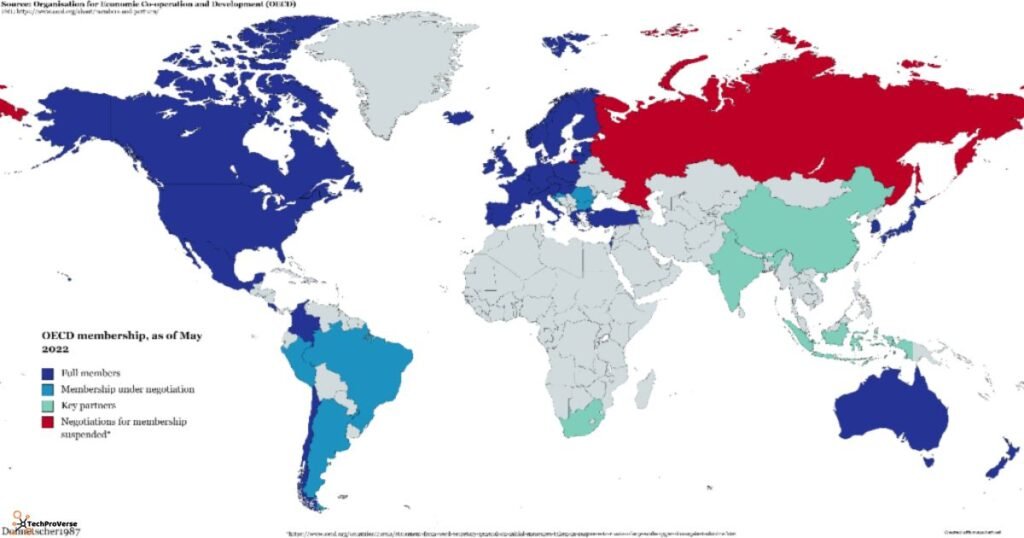
How Different Countries Are Regulating AI
European Union
- Strong transparency rules
- Heavy penalties for misuse
- Focus on human rights
United States
- Flexible regulations
- Innovation-first mindset
- Industry involvement
China
- Centralized control
- Content monitoring
- Security-driven policies
South Korea
- Clear AI accountability laws
- Full enforcement planned by 2026
All of this shows that AI regulation news today is not about one global rule, it’s about many different strategies.
Why AI Regulation Matters (In Real Life)
For Businesses:
- Clear rules reduce legal confusion
- Trust in AI products increases
- Long-term stability improves
For Users:
- Better data protection
- Fairer AI decisions
- More transparency
Real-life example:
AI-based hiring tools were once criticized for unfairly rejecting candidates. New AI rules now require audits and explanations, helping companies fix these issues and rebuild trust.
The Challenges No One Can Ignore
Even though regulation is necessary, it’s not easy.
Some common challenges include:
- AI evolving faster than laws
- Risk of over-regulation hurting startups
- Different rules in different countries
In my opinion, the real challenge behind AI regulation news today is finding the right balance in protecting people without killing innovation.
EEAT: Why Trust Matters in AI Regulation
Experience:
Developers working under clear AI rules often say their systems become safer and more reliable.
Expertise:
Researchers agree that high-risk AI systems should be tested, audited, and monitored regularly.
Authority:
Governments, the EU, and international bodies are shaping AI standards worldwide.
Trust:
Clear regulations help users feel more comfortable using AI-powered tools.
What’s Next for AI Regulation?
Looking at current AI regulation news today, the future likely includes:
- More global cooperation
- Mandatory AI audits
- Stricter rules for generative AI
- Smarter, flexible regulations
Countries that get this balance right will lead the AI-driven future.
Final Thoughts
Many people still think AI regulation is a future debate, but in reality, it is already being implemented across the world. From Europe’s strict laws to America’s flexible policies and Asia’s innovation-focused approach, AI regulation news today shows how seriously governments are taking AI.
Personally, I believe strong but thoughtful regulation can actually help AI grow in a healthier direction. When people trust technology, adoption increases, and that benefits everyone.
Related Headings:
How to Protect Your Data Online: Complete Guide for 2025
ChatGPT vs Google Gemini: Which AI Chatbot Will Win
Top Free Deepfake AI Tools You Can Try Today
Google AI Mode: The New Intelligent Search Feature You Must Know About
5 Best ChatGPT Alternatives
10 Free AI Weather Models Directory for Accurate Forecasting
❓ Frequently Asked Questions (FAQs)
Has AI been regulated yet?
Yes, AI is already regulated in several regions, with countries like the European Union and the United States introducing laws and guidelines to manage AI risks and ensure responsible use.
Has the AI Act been passed?
The EU AI Act has been officially approved and is being implemented in phases, making it the world’s first comprehensive legal framework for artificial intelligence.
What’s ahead for AI regulation in 2025?
In 2025, AI regulation is expected to focus on stricter transparency rules, mandatory risk assessments, and stronger oversight of generative and high-risk AI systems.
What is the 30% rule in AI?
The 30% rule in AI generally refers to limiting automated decision-making, ensuring that significant decisions still involve meaningful human review and oversight.
What country is #1 in AI?
The United States is widely considered the global leader in AI due to its strong tech ecosystem, advanced research, and dominance of major AI companies.
What are the three golden rules of AI?
The three golden rules of AI are transparency, fairness, and accountability, ensuring AI systems are understandable, unbiased, and responsibly managed.

Welcome to TechProVerse! I’m Abdullah, a WordPress and front-end developer, as well as an SEO researcher with 1.5 years of experience. I help websites get built, optimized, and rank higher on Google. Let’s achieve more together!