
Why Cybersecurity Website Sidebar Topics Matter in 2025
A strong sidebar doesn’t just improve design it boosts digital trust and helps visitors quickly find what matters. In 2025, cybersecurity audiences want fast access to threat alerts, tools, and compliance resources without digging through menus. That’s why smart sidebar planning is essential for online credibility and conversions using the right cybersecurity website sidebar topic ideas.
When done right, sidebar content works like a mini command center for your website. It guides IT managers, CISOs, and enterprise clients toward critical insights, reducing friction and creating a smoother user experience (UX). That’s why choosing the best cybersecurity website sidebar topic ideas drives engagement and lowers bounce rates.
How Sidebars Improve User Navigation & Trust on Cybersecurity Sites
Cybersecurity websites deal with complex topics risk management, threat detection, and identity management. A sidebar organizes these into clear sections, helping users reach answers instantly. This enhances content architecture and builds immediate authority.
A well optimized sidebar also strengthens responsive design and ensures mobile first visitors don’t miss essential resources. When users see structured, credible information, it increases trust, boosts lead generation, and reinforces your position as a reliable security source.

15 Best Cybersecurity Website Sidebar Topic Ideas
1. Latest Cybersecurity News & Threat Alerts
Real-time updates on new threats help readers stay alert. Use trusted sources like:
The Hacker News
Cisa News
These help users track AI driven cybersecurity insights and threat detection events quickly.
2. Vulnerability Updates & Zero Day Reports
Include feeds from CVE and Zero Day Initiative.
This attracts security analysts and compliance officers wanting fresh vulnerability intelligence.
3. Best Security Tools & Software Recommendations
Link trustworthy tools for malware scanning, SSL certificates, endpoint security, etc.: VirusTotal and SSL Labs SSL Test.
This reinforces online credibility.
4. Cybersecurity Tutorials & How To Guides
Direct users to practical tutorials and documentation: Cybersecurity Guide and W3C Security.
These strengthen your site’s user experience (UX).
5. Malware, Ransomware & Phishing Attack Analysis
Share findings from reputable sources: Malwarebytes Blog and Talos Intelligence Blog.
Perfect for enterprise clients needing risk management insights.
6. Incident Response Playbooks & Templates
Provide frameworks from: NIST Cyber Framework and SANS White Papers.
These boost digital trust with ready-to-use materials.
7. Data Privacy Laws & Compliance Updates (GDPR, HIPAA, PCI)
Link official regulatory sources: GDPR, HIPAA, PCI DSS.
Ideal for CISOs and legal teams.
8. Cybersecurity Infographics & Quick Facts
Add resources for clean, verified visual data: Statista Cyber Crime.
Supports strong visual hierarchy.
9. Web Security Checklists & Frameworks
Offer trusted checklists from: OWASP and MDN Web Security.
Great for enhancing responsive design.
10. Penetration Testing Tips & Tools
Useful external references: Kali Tools and Nmap.
Attracts pentesters and advanced users.
11. Cloud Security Best Practices
Point readers toward cloud-specific guidance: AWS Security and Google Cloud Security.
Helps cloud teams stay compliant.
12. Cybersecurity Courses, Certifications & Skill Paths
Link credible platforms: Coursera Cybersecurity, TryHackMe, Offensive Security.
Useful for career-focused learners.
13. Recommended Cybersecurity Blogs & Industry Resources
Add trusted references such as:
NIST
Krebs on Security
NSA Advisories
Strengthens authority.
14. Security Product Reviews & Comparisons
Reliable comparison sources: G2 Security Reviews and TechRadar Best Security.
Supports decision making for tools and solutions.
15. Weekly Cyber Defense Newsletter Signup
Use a clean CTA and even reference well-known newsletters.
Building long term subscribers creates a strong brand channel.
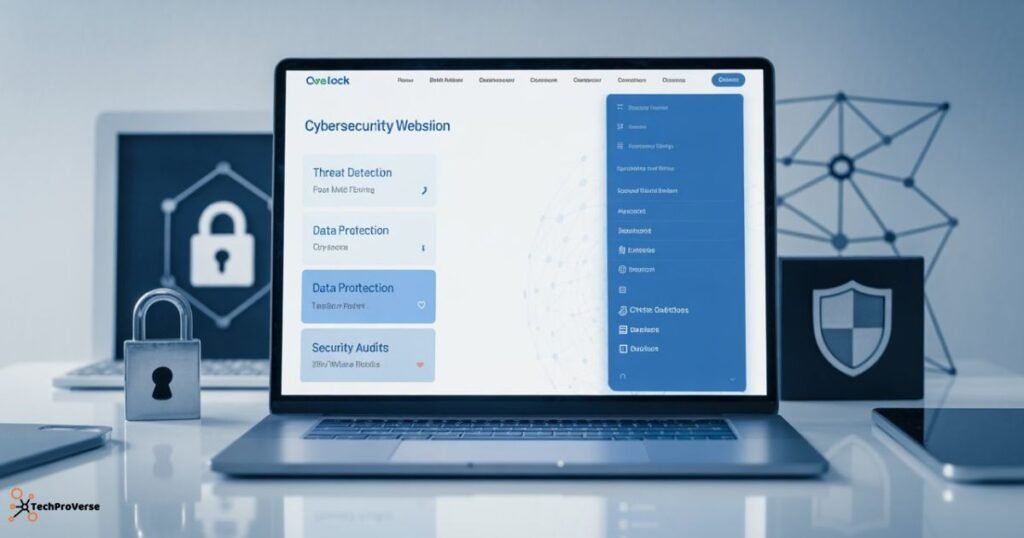
How to Choose the Right Sidebar Topics for Your Cybersecurity Website
Choosing the right topics depends on your audience. If your website attracts enterprise clients, focus on compliance, threat intelligence, and identity management. Technical audiences prefer hands on pen testing guides and tool reviews.
Look at analytics to understand what users engage with most. Prioritize topics that solve urgent problems or help readers make decisions faster. For example, zero-day updates or threat alerts often drive repeat visits.
Best Practices for Optimizing Sidebar Content for SEO
Make sure your sidebar supports web design for cybersecurity instead of cluttering it. Add internal links, use relevant anchors, and link authoritative sources like NIST or CISA to boost authority. Add your cybersecurity website sidebar topic ideas keyword naturally.
Ensure fast load times, use schema markup, and avoid stuffing. Proper structure boosts mobile-first design and improves search visibility.
Examples of High Performing Cybersecurity Website Sidebars
CrowdStrike
CrowdStrike uses contextual guides, threat intelligence reports, and product navigation that improve content architecture and clarity.
ESET
ESET provides categorized malware alerts, product listings, and clean sidebar layouts that attract enterprise visitors.
Snyk
Snyk features vulnerability databases, developer security tools, and compliance resources that support strong digital trust.
Recorded Future
Recorded Future includes intelligence feeds, analysis reports, and geopolitically focused threat insights.
Why Cybersecurity Website Sidebar Topics Matter in 2025
A strong sidebar doesn’t just improve design it boosts digital trust and helps visitors quickly find what matters. In 2025, cybersecurity audiences want fast access to threat alerts, tools, and compliance resources without digging through menus. That’s why smart sidebar planning is essential for online credibility and conversions, especially when using the right cybersecurity website sidebar topic ideas.
When done right, sidebar content works like a mini command center for your website. It guides IT managers, CISOs, and enterprise clients toward critical insights, reducing friction and creating a smoother user experience (UX). That’s why choosing the right cybersecurity website sidebar topic ideas drives engagement and lowers bounce rates.
How Sidebars Improve User Navigation & Trust on Cybersecurity Sites
Cybersecurity websites deal with complex topics such as risk management, threat detection, and identity management. A sidebar organizes these into clear sections, helping users reach answers instantly. This enhances content architecture and builds immediate authority while aligning with your overall cybersecurity website sidebar topic ideas.
A well-optimized sidebar also strengthens responsive design and ensures mobile-first visitors don’t miss essential resources. When users see structured, credible information, it increases trust, boosts lead generation, and reinforces your position as a reliable security source — further improving performance for your cybersecurity website sidebar topic ideas strategy.
Sidebar Mistakes Cybersecurity Websites Should Avoid
Avoid overcrowded sidebars filled with ads or irrelevant CTAs. It weakens user experience (UX) and confuses visitors. Also, don’t keep outdated threat reports or broken links that damage credibility especially when trying to optimize your cybersecurity website sidebar topic ideas effectively.
Prioritize responsive design, fast loading, and consistent updates. Errors in these areas reduce trust and engagement, lowering the impact of your cybersecurity website sidebar topic ideas and harming long-term authority.
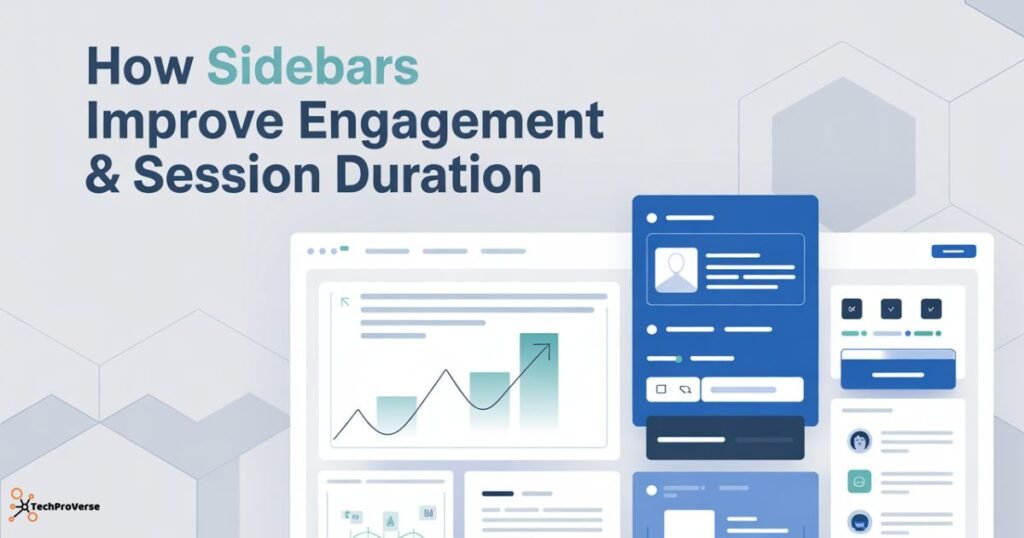
How Sidebars Improve Engagement & Session Duration
A well structured sidebar increases pageviews and keeps users exploring. When visitors see links to tools, compliance guides, or threat alerts, they spend more time interacting with your content. This strengthens SEO metrics and supports the overall success of your cybersecurity website sidebar topic ideas.
Better session duration also improves user trust. When readers find helpful links and organized information, your cybersecurity website sidebar topic ideas turn into powerful engagement drivers on every visit.
Tips to Keep Your Sidebar Updated, Useful, and Actionable
Refresh threat feeds weekly and compliance sections monthly. Add new tools, guides, and infographics regularly. Track user clicks and remove low performing content. This ensures your cybersecurity website sidebar topic ideas remain effective and relevant.
Consistent updates strengthen online credibility and maintain a strong visual hierarchy. When you keep optimizing based on analytics, your cybersecurity website sidebar topic ideas continue delivering long term performance and trust.
Final Thoughts: Building a High-Value Sidebar for Cybersecurity Sites
Your sidebar can become one of the most powerful elements of your website when designed strategically. By integrating the right cybersecurity website sidebar topic ideas, you’ll boost navigation, trust, and conversions. Keep it clean, insightful, link rich, and regularly updated to stay ahead in the fast-moving cybersecurity world ensuring your cybersecurity website sidebar topic ideas deliver consistent results.
Related Headings:
How to Protect Your Data Online: Complete Guide for 2025
How to Detect Phishing Attacks
How to Protect Your Data Online: Complete Guide for 2025
Managed Security Service Provider (MSSP): Complete Guide in 2025
5 Best ChatGPT Alternatives
How to Use Urban VPN – Free VPN Service Guide
Best Antivirus Software for PC 2025
Beginner’s Guide to Blue Team Cybersecurity
Frequently Asked Questions.
Q 1: What is the best topic in cyber security?
The best topic in cybersecurity today is threat detection and response, as attacks evolve daily. It’s highly in demand and focuses on stopping breaches fast.
Q 2: What are the 5 C’s of cyber security?
The 5 C’s are Change, Compliance, Cost, Continuity, and Coverage. These principles guide organizations in building strong and scalable cyber defenses.
Q 3: What are the top 3 trends in the cybersecurity industry?
The top 3 trends are AI-driven cybersecurity, zero trust architecture, and cloud security expansion. These are shaping how organizations protect digital assets.
Q 4: What are the 7 types of cyber security?
The 7 types include network security, application security, cloud security, IoT security, operational security, information security, and endpoint security. Together, they create complete protection layers.
Q 5: What are the 5 D’s of cyber security?
The 5 D’s are Deter, Detect, Defend, Deflect, and Document. They represent a full cycle of preventing, managing, and recording cyber incidents.
Q 6: Can you make $500,000 a year in cyber security?
Yes, but usually in high level roles like CISO, security architect, or penetration testing consultant. Achieving this level requires advanced skills, certifications, and experience.

Welcome to TechProVerse! I’m Abdullah, a WordPress and front-end developer, as well as an SEO researcher with 1.5 years of experience. I help websites get built, optimized, and rank higher on Google. Let’s achieve more together!