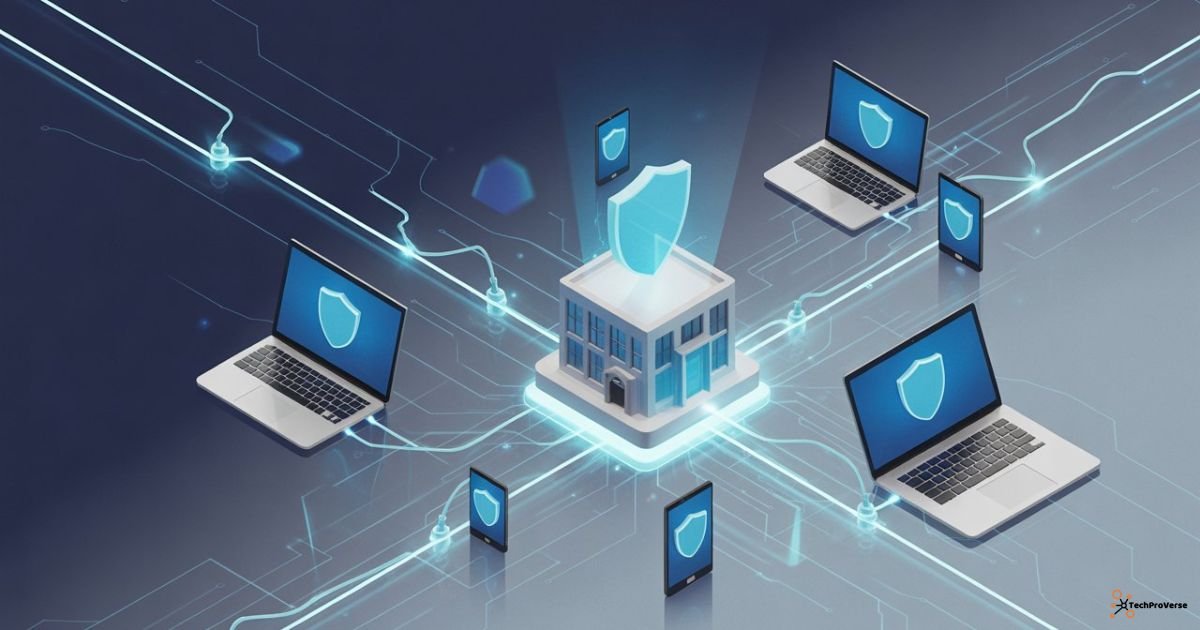
Running a small business today means relying heavily on digital devices. From laptops and smartphones to cloud apps and remote access tools, technology keeps things moving. But in same time, it increases the risk. One compromised device can expose customer data, interrupt operations, or even shut the business down.
That’s where endpoint security for small businesses becomes critical.
Unlike a few years ago, cybercriminals no longer focus only on large enterprises. In fact, many attacks now target small businesses because security controls are often weaker. Endpoint security helps protect every device connected to your business and gives you visibility into what’s really happening across your systems.
This guide explains endpoint security in simple terms, shows why it matters, and helps you understand how to implement it effectively in 2026.
Why Endpoint Security Is Critical for Small Businesses in 2025
Small businesses often assume they’re “too small to be targeted.” In reality, attackers see them as easier entry points. Many ransomware groups openly admit that small companies are ideal targets due to limited defenses and slower response times.
Every laptop, desktop, or mobile phone that connects to your network is a potential attack surface. Without proper protection, a single phishing email or outdated system can lead to serious damage.
Endpoint security is designed to protect business devices from cyber threats, detect suspicious behavior early, and stop attacks before they spread. It also plays a major role in keeping businesses operational during incidents, which directly affects revenue and trust.
What Is Endpoint Security for Small Businesses?
Endpoint security is a cybersecurity approach focused on protecting all devices called endpoints that connect to a business network. This includes both company-owned and employee-owned devices.
For small businesses, endpoint security usually combines software, monitoring, and policies that help:
- Secure laptops, desktops, and mobile devices
- Prevent unauthorized access to company data
- Detect threats based on behavior, not just known viruses
- Support remote and hybrid work environments
Modern small business endpoint security solutions go far beyond traditional antivirus tools. They continuously monitor device activity and respond automatically when something looks wrong.
What Counts as an Endpoint in a Small Business
Many business owners underestimate how many endpoints they actually manage. Common examples include
- Laptops and desktop computers are used by staff
- Mobile devices and tablets for email, CRM, and apps
- Servers and point-of-sale systems storing sensitive data
- Remote and employee-owned devices accessing company tools
Each endpoint is a possible entry point for attackers, which is why consistent device security for small businesses is so important.
Top Endpoint Security Threats Small Businesses Face
Understanding threats helps explain why endpoint protection is necessary.
Malware and Ransomware Attacks
Ransomware remains one of the biggest risks for small businesses. Attackers often gain access through one infected device and then move across the network. Strong ransomware protection for small businesses focuses on early detection and fast isolation.
Phishing and Credential Theft
Phishing emails are still incredibly effective. One real-world case involved a small marketing agency where an employee clicked a fake “file-sharing” link. The attacker used stolen credentials to access multiple endpoints before being detected. Proper phishing attack prevention could have stopped this within minutes.
Unsecured Remote Work Devices
Remote work is now standard, but home Wi-Fi networks and personal laptops are often poorly secured. Without proper endpoint security for remote workers, attackers can exploit weak configurations or outdated systems.
Insider and Human-Based Risks
Not all risks are malicious. Simple mistakes, such as misconfigured access or sharing files publicly, can lead to data exposure. Endpoint security helps reduce the attack surface across devices by enforcing consistent controls.
Endpoint Security vs Antivirus: What Small Businesses Need to Know
Many small businesses still rely only on antivirus software. While antivirus software is useful, it’s no longer enough.
Traditional antivirus software looks for known malware signatures. Endpoint security, on the other hand, monitors behavior and context.
| Feature | Traditional Antivirus | Endpoint Security |
| Threat detection | Basic | Advanced & behavioral |
| Ransomware protection | Limited | Strong |
| Remote monitoring | No | Yes |
| Business scalability | Low | High |
Endpoint security provides endpoint threat detection that can stop attacks even if the malware has never been seen before.
Essential Endpoint Security Features for Small Businesses
Not all tools are equal. The following features are especially important.
Endpoint Detection and Response (EDR)
Endpoint detection and response (EDR) continuously monitors devices and flags abnormal behavior. If a threat appears, it can automatically isolate the device and stop the attack.
Device Control and Access Management
This feature ensures only authorized users and devices can access business systems. It helps prevent unauthorized access to company data, especially in remote setups.
Patch Management and System Updates
One of the most common causes of breaches is Outdated software. Automated patching improves malware prevention for business devices without relying on manual updates.
Data Encryption and Loss Prevention
Encryption protects sensitive data even if a device is stolen. This is critical for laptops used outside the office.
Centralized Monitoring and Reporting
A single dashboard enables business owners to monitor endpoint activity in real-time, making security manageable even without a dedicated IT team.
How to Implement Endpoint Security in a Small Business
Implementation doesn’t need to be complicated.
Identify and Inventory All Business Devices
Start by listing every device that accesses business systems, including remote and personal devices.
Choose the Right Endpoint Security Solution
Select endpoint security software for businesses that matches your size, risk level, and industry requirements. Cloud-based solutions are often the easiest to manage.
Set Security Policies for Employees
Clear rules around passwords, updates, and device usage help improve overall cybersecurity posture and reduce mistakes.
Monitor, Update, and Improve Regularly
Security is ongoing. Regular reviews help ensure business continuity and data safety.
Real Example: How Endpoint Security Prevented a Ransomware Attack
A small accounting firm received a phishing email disguised as a client invoice. When an employee opened it, the endpoint security platform detected unusual file behavior and blocked the ransomware within seconds.
The device was isolated automatically, preventing the malware from spreading. Without endpoint protection, the firm could have lost access to client records and faced serious legal consequences.
How Much Does Endpoint Security Cost for Small Businesses?
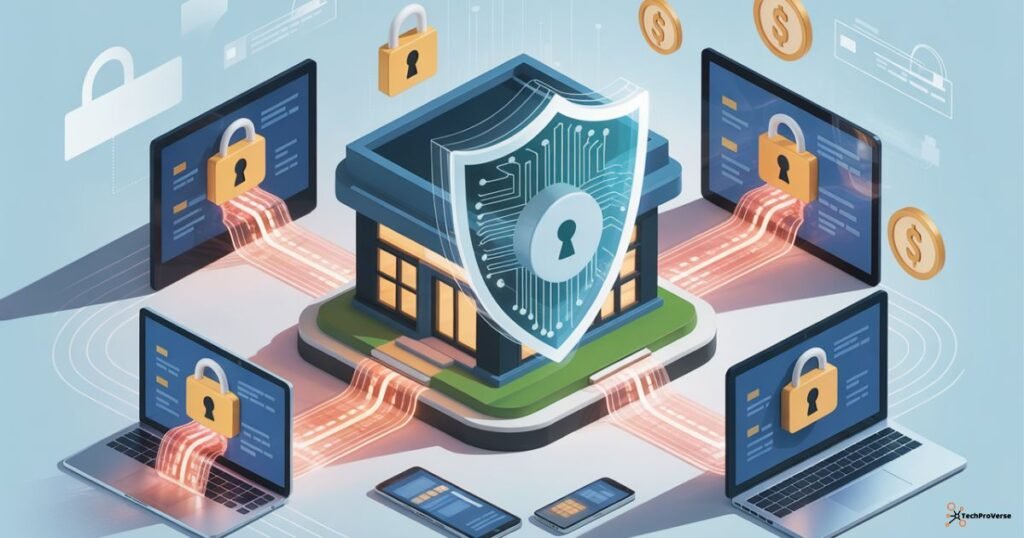
Costs depend on needs, but endpoint security is usually more affordable than recovering from a breach.
Factors That Affect Endpoint Security Pricing
- Number of devices
- Required features like EDR or encryption
- Managed vs self-managed solutions
Many endpoint security services for small businesses offer scalable pricing models.
Managed Endpoint Security vs In-House Management
| Aspect | Managed Endpoint Security | In-House |
| Cost | Predictable | High |
| Expertise | Security specialists | Limited |
| Monitoring | 24/7 | Business hours |
| Scalability | Easy | Difficult |
For most small businesses, managed solutions offer stronger protection without the need to hire additional staff.
How to Choose the Best Endpoint Security for Small Business
Focus on practical factors, not marketing promises.
- Ease of deployment and daily use
- Integration with existing systems
- Support for compliance and data breach prevention strategies
- Vendor reputation and customer support
Benefits of Endpoint Security for Small Businesses
- Reduced ransomware and malware risk
- Improved data protection
- Better visibility into device activity
- Strong support for remote and hybrid work
- Long-term cost savings
Frequently Asked Questions About Endpoint Security
Is endpoint security necessary for small businesses?
Yes. Small businesses are frequent targets and often suffer greater impact from attacks.
Is antivirus enough for small business protection?
No. Antivirus alone cannot detect many modern threats.
Can endpoint security protect remote employees?
Yes. Modern platforms are designed for remote and hybrid environments.
How often should endpoint security be updated?
Continuously. Automatic updates are essential.
Will endpoint security slow down devices?
Most modern solutions are lightweight and performance-friendly.
Related Headings:
How to Protect Your Data Online: Complete Guide for 2025
Zero-Day Vulnerability News 2025: Urgent Threats, Active Attacks & Patch Alerts
How to Detect Phishing Attacks
How to Protect Your Data Online: Complete Guide for 2025
5 Best ChatGPT Alternatives
Best Antivirus Software for PC 2025
Beginner’s Guide to Blue Team Cybersecurity
Final Thoughts: Securing Small Businesses with Endpoint Security in 2025
Endpoint security for small businesses is no longer a “nice-to-have.” It is a foundational part of running a secure, modern company. As cyber threats grow more targeted and sophisticated, relying on basic tools puts your business at risk.
Investing in the right endpoint protection helps safeguard devices, protect customer trust, and support long-term growth. In 2026, strong endpoint security is not just about defense; it’s about resilience and confidence in how your business operates online.

Welcome to TechProVerse! I’m Abdullah, a WordPress and front-end developer, as well as an SEO researcher with 1.5 years of experience. I help websites get built, optimized, and rank higher on Google. Let’s achieve more together!