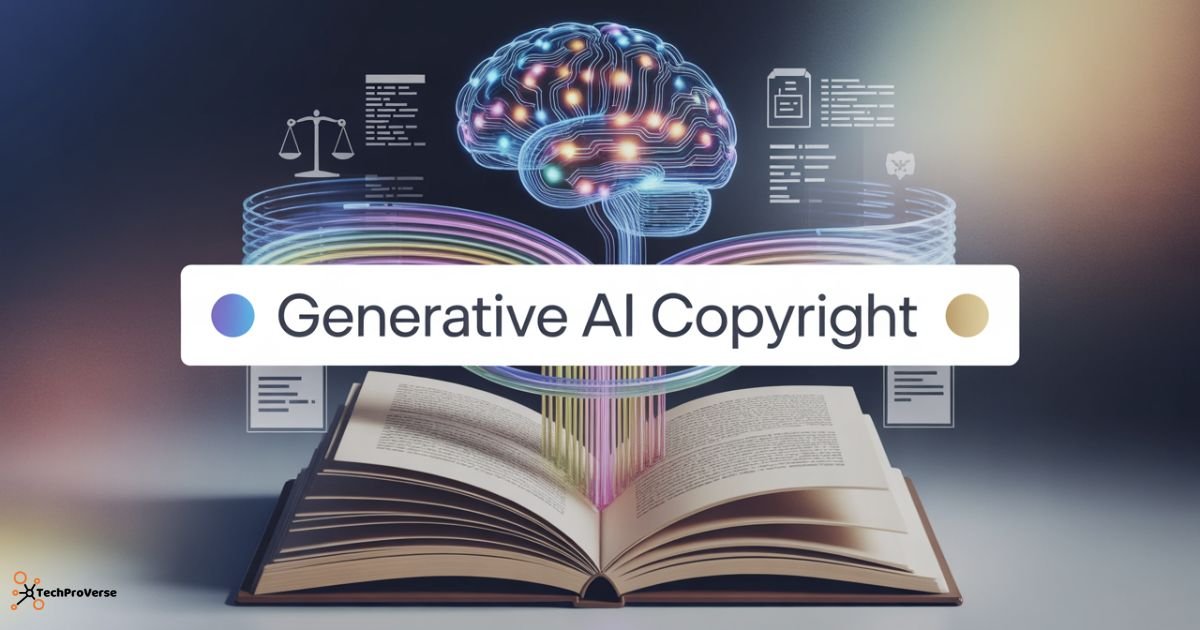
How creative work is protected. Artists, writers, and companies are trying to understand where they stand as generative AI copyright issues create confusion about who truly owns AI-made content. These rapid changes force everyone to look closely at how AI models learn, create, and share information.
At the same time, major questions are emerging around AI training data copyright, AI content ownership rights, and the future of generative AI copyright law in the United States. With every new update, creators and policymakers face fresh challenges that impact how AI can be used, regulated, and trusted moving forward.
What’s Happening in Generative AI Copyright Right Now?
The current landscape of generative AI copyright issues is turbulent. Many creators are unsure whether AI-generated content can be copyrighted or who owns AI-generated work. AI systems often learn from copyrighted content, creating legal gray areas and sparking AI copyright infringement cases.
Companies and artists are exploring AI copyright protection tools like the Nightshade AI tool and the Glaze AI protection. These technologies aim to prevent unauthorized AI use and reinforce AI content ownership rights. Governments are responding with AI copyright updates and rules for safer AI innovation.
Why Copyright Laws Are Struggling With AI
Copyright laws were created for humans. They don’t clearly cover AI-generated work, leaving questions such as how copyright applies to AI models unanswered. Courts are challenged to determine how much human involvement is needed for copyright registration for AI content.
AI outputs often look professional, creating a legal grey area. Artists vs AI copyright battle cases are rising, and legal experts warn that creators need to understand AI and intellectual property rights to protect their work effectively.
The Rise of AI-Generated Content and Ownership Confusion
AI systems produce content that mimics human creativity, raising questions like Is AI stealing copyrighted content? Artists worry about unauthorized use of their work in AI training datasets.
Companies argue that AI learning is transformative. However, whether creators are protected from AI training models is still debated. The result is widespread confusion about AI-generated content copyright rules and ownership.
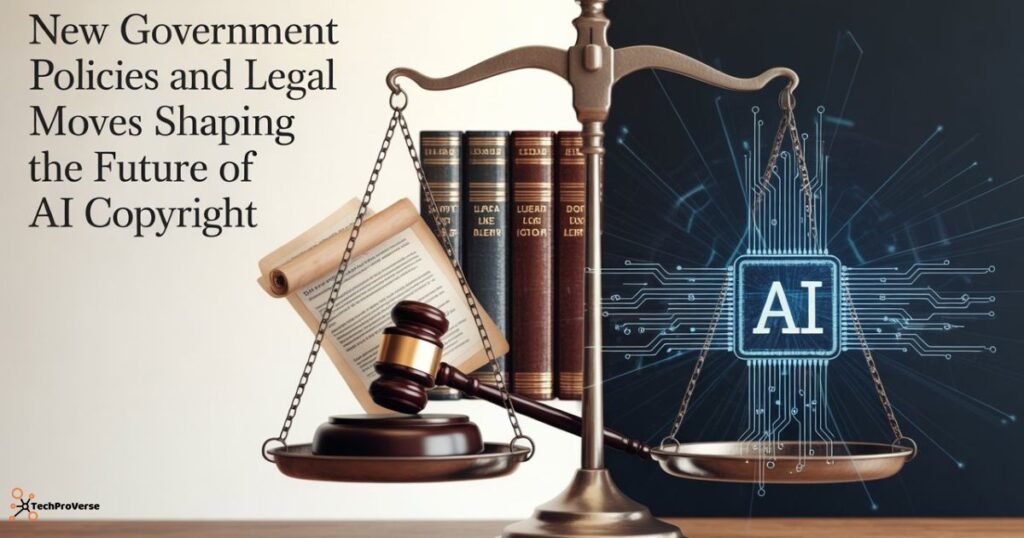
New Government Policies and Legal Moves Shaping the Future of AI Copyright
Governments are responding to AI legal challenges by creating policies to protect both creators and companies. The USA is clarifying what the copyright office says about AI content and outlining Generative AI copyright law changes.
AI training data copyright is now closely monitored. Rules promoting AI dataset transparency ensure AI developers comply with regulations and reduce AI copyright infringement risk.
National Security vs. Copyright: What the New Policies Mean
AI often uses sensitive or proprietary information. New policies address how governments regulate AI training data to protect intellectual property and national security.
Companies must follow these guidelines carefully. Misuse of data can result in lawsuits, highlighting how legal AI dataset scraping is a crucial consideration for AI developers.
How Global Governments Are Responding to AI Training Data Issues
The USA, EU, UK, and Asian countries are implementing strict AI copyright laws. These regulations aim to control unauthorized use of copyrighted content while fostering ethical AI data training.
International policies often affect US companies, making compliance with fair use and AI models essential. This global approach also influences AI and intellectual property rights, ensuring consistent standards worldwide.
Major Court Cases & High-Profile Copyright Battles in AI
Several high-profile AI copyright lawsuits are reshaping the AI landscape. Artists and companies face challenges over AI content ownership rights, testing traditional copyright laws.
The outcomes of these cases guide startups and creators, helping them understand what the new Generative AI copyright rules are.
Artists vs. AI Companies: Key Lawsuits to Know
Artists have sued AI companies for using copyrighted work without permission. These Generative AI copyright infringement cases involve images, music, and text. Their highlight is AI harming artists’ rights, and who holds ownership of AI-generated outputs.
AI Training Data Lawsuits: Are Tech Giants in Trouble?
Large AI firms face lawsuits over AI data scraping legal issues. Courts examine whether AI violates fair use laws when models learn from copyrighted materials.
What These Cases Mean for Future Creators and Startups
Future creators must adapt to new legal standards. How copyright laws will change due to AI affects startups and individual creators. Using ethical AI data training practices reduces the risk of litigation and protects intellectual property.
Comparison Table: Key AI Copyright Lawsuits in the USA
| Case Name | Plaintiffs | AI Company | Issue | Status | Takeaway |
| Getty Images vs Stability AI | Getty Artists | Stability AI | AI used copyrighted images | Ongoing | Raises questions about ai content ownership rights |
| Sarah Andersen vs OpenAI | Comic Artist | OpenAI | Training on web comics | Settled | Shows importance of copyright registration for ai content |
| Adobe AI vs Individual Artist | Digital Artists | Adobe | Use of artwork for AI model | Pending | Highlights need for ai copyright protection tools |
How Artists and Creators Are Protecting Their Work from AI Systems
Artists are using advanced tools to prevent AI misuse. Nightshade AI tool and Glaze AI protection help safeguard work, while some use data poisoning to disrupt AI learning. Though effective, creators must ask if data poisoning is safe for creators.
Artists are finding ways to secure AI-generated content copyright rules, helping them defend against unauthorized AI replication.
Nightshade, Glaze & Other Tools Designed to Fight AI Exploitation
Nightshade AI tool embeds invisible markers, while Glaze AI protection subtly alters images to prevent copying. These technologies are central in the artists vs AI copyright battle scenarios.
Data Poisoning: Helpful Defense or Dangerous Twist?
Data poisoning can prevent AI from learning copyrighted material, but it carries risks if misused. Artists must consider how to protect artwork from generative AI without harming their creative workflow.
Can Artists Truly Keep AI From Using Their Work?
Total prevention is challenging. AI still learns from publicly available content. Awareness of whether AI content is credible and trustworthy, and applying copyright and artificial intelligence principles, remains crucial for protection.
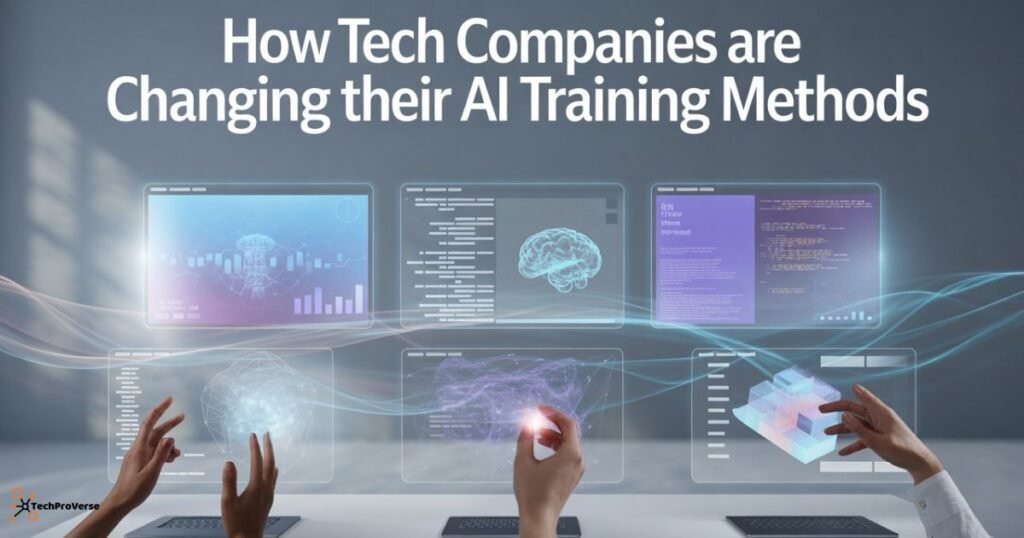
How Tech Companies Are Changing Their AI Training Methods
AI companies now prioritize ethical AI data training and AI dataset transparency. Transparency tools allow creators to track data usage, reducing AI copyright infringement risk.
Documenting practices ensures how companies train AI models legally and aligns with AI copyright law without stifling innovation.
Ethical Data Sourcing: A Growing Trend
Licensing datasets responsibly prevents disputes over AI copyright infringement and promotes trustworthy AI development. Ethical sourcing is increasingly a competitive advantage.
Transparency Tools and AI Model Disclosures
Transparency tools disclose training processes, helping confirm what qualifies as human authorship in AI content. Reports from companies like OpenAI improve trust and accountability.
Copyright Registration Rules for AI-Generated Work
The US Copyright Office requires human involvement in content creation. Questions such as how much AI is “too much AI” for copyright protection are central to registration decisions.
Registration helps prevent disputes over whether AI is stealing copyrighted content, ensuring creators can protect their work under AI copyright law changes.
What the US Copyright Office Says About AI Content
Only AI-assisted work with significant human input qualifies for AI-generated content copyright rules. Purely AI-generated content cannot be copyrighted.
Human Authorship Requirements Explained Simply
Human input is mandatory. What qualifies as human authorship in AI content requires meaningful direction or edits by humans. Without it, protection may be denied.
How Much AI Is “Too Much AI” for Copyright Protection?
The proportion of AI contribution versus human creativity determines eligibility. Whether AI-generated content can be copyrighted depends on meaningful human involvement.
The Impact of AI on the Internet and Information Trust
AI introduces challenges for content credibility. Evaluating whether AI-generated news is reliable and whether AI content is credible and trustworthy is critical as fake news and deepfakes proliferate.
Misinformation and fake content complicate copyright enforcement. Platforms and users must verify content authenticity to comply with copyright and artificial intelligence standards.
Misinformation & Fake Content: The New Copyright Problem
Deepfakes and fabricated articles make AI copyright protection tools more necessary. Artists, journalists, and businesses must safeguard content from unauthorized replication.
Can We Trust AI-Generated News and Images?
AI can produce high-quality but false content. Evaluating whether AI-generated news is reliable ensures media and information trustworthiness.
The Risks of Over-Reliance on Unverified AI Models
Blind reliance on AI can create legal and ethical risks. Understanding how copyright laws will change due to AI helps mitigate potential problems.
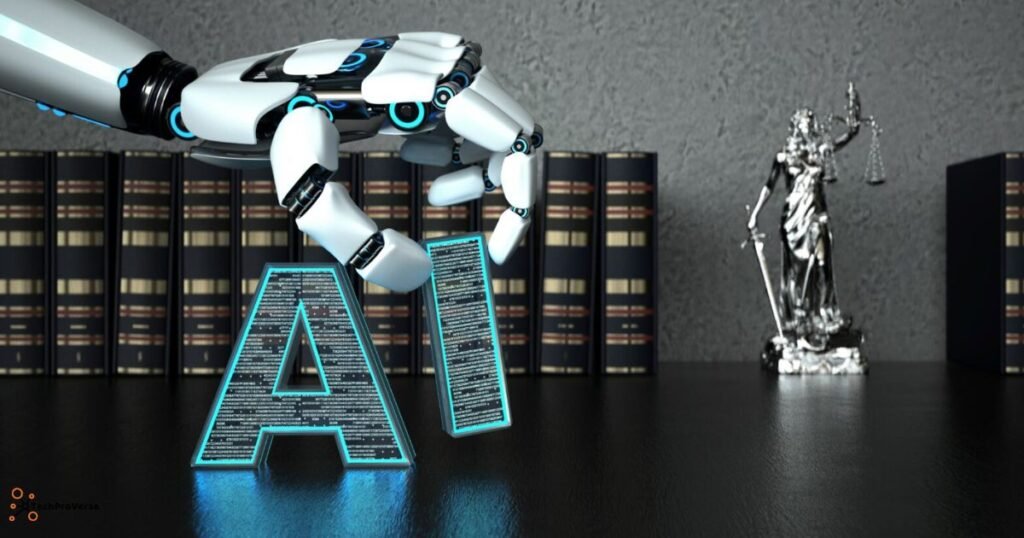
Future of Copyright in the Age of Generative AI
Future laws aim to balance protection and innovation. What future copyright laws mean for AI involves clarifying ownership and usage rights for creators and companies.
Experts predict stricter AI copyright law changes by 2025–2026. Startups and creators must adapt to evolving generative AI copyright issues to remain compliant.
What Lawmakers Are Planning Next
New legislation targets AI copyright lawsuits and dataset usage. Rules will clarify copyright registration for AI content and enhance transparency in AI training.
Will New Copyright Laws Slow Down AI Innovation?
Regulations may pose challenges, but also protect creators. AI copyright protection tools like the Nightshade AI tool and the Glaze AI protection allow safe innovation.
Experts’ Predictions for 2026 and Beyond
Experts expect stricter enforcement of AI copyright law, requiring creators to adopt new tools and practices. Understanding the artists vs AI copyright battle is key to future compliance.
Conclusion: Can Copyright Survive the AI Revolution?
The future of generative AI copyright news is complex but manageable. Laws, policies, and technologies are evolving quickly. Creators must stay informed about ethical AI data training, AI and intellectual property rights, and AI copyright protection tools.
Balancing creativity and protection is vital. Responsible AI usage, adherence to guidelines, and proactive measures allow creators to thrive while maintaining AI-generated content copyright rules.
Related Headings:
ChatGPT vs Google Gemini: Which AI Chatbot Will Win
Top Free Deepfake AI Tools You Can Try Today
AI Safety News 2025: Latest Updates, Risks, Regulations, and Global Developments
Google AI Mode: The New Intelligent Search Feature You Must Know About
5 Best ChatGPT Alternatives
10 Free AI Weather Models Directory for Accurate Forecasting
Frequently Asked Questions About Generative AI Copyright
1: Does generative AI violate copyright?
Generative AI can violate copyright if it uses protected material without permission or creates work that’s too close to the original, which is why generative AI copyright news often highlights new disputes.
2: What is the 30% rule in AI?
The “30% rule” is only a myth; changing 30% of any work does not make it copyright-safe in AI or traditional creative fields.
3: Why are copyright issues common in generative AI systems?
Problems appear because AI models learn from massive datasets that frequently include copyrighted content scraped online without clear approval.
4: Why are generative AI images usually copyright-free?
Most AI images end up copyright-free because machines cannot legally be treated as human authors under current laws.
5: How to tell if a picture is AI-generated?
AI pictures often show odd hands, unnatural textures, or strange lighting that make them easy to identify.
6: How to avoid copyright with AI?
Use licensed datasets, original prompts, and AI tools that offer commercial-use rights, which is a key topic in generative AI copyright news.

Welcome to TechProVerse! I’m Abdullah, a WordPress and front-end developer, as well as an SEO researcher with 1.5 years of experience. I help websites get built, optimized, and rank higher on Google. Let’s achieve more together!