Email is still the most trusted communication channel for small businesses. Client proposals, invoices, vendor conversations, password resets, internal documents—everything flows through email every single day.
But here’s the uncomfortable truth:
Email is also the #1 entry point for cyberattacks on small businesses.
In real-world cases I’ve seen, businesses didn’t get hacked because of “advanced hackers.” They got hacked because one employee trusted an email that looked real.
That’s why small business email security is no longer optional. It’s a basic part of running a professional, trustworthy business in today’s digital environment.
This guide explains email security in plain language, no jargon, no fear tactics, just practical steps, real examples, and proven best practices that actually work for small businesses.
Why Email Security Matters for Small Businesses
Some small businesses think their scale protects them, yet attackers usually view smaller organizations as less protected and easier to exploit.
Small businesses are attractive targets because:
- They often lack dedicated IT teams
- Security settings are usually basic or misconfigured
- Employees wear multiple hats and are easier to trick
From my experience working with small agencies and online service businesses, most email breaches start with phishing, not malware.
One compromised inbox can lead to:
- Fake invoices sent to clients
- Password reset abuse
- Data leaks
- Financial fraud
- Reputation damage
Strong email security helps you:
- Protect sensitive customer and business data
- Prevent unauthorized inbox access
- Reduce phishing and ransomware risk
- Maintain trust with clients and partners
In short, email security protects your business continuity.
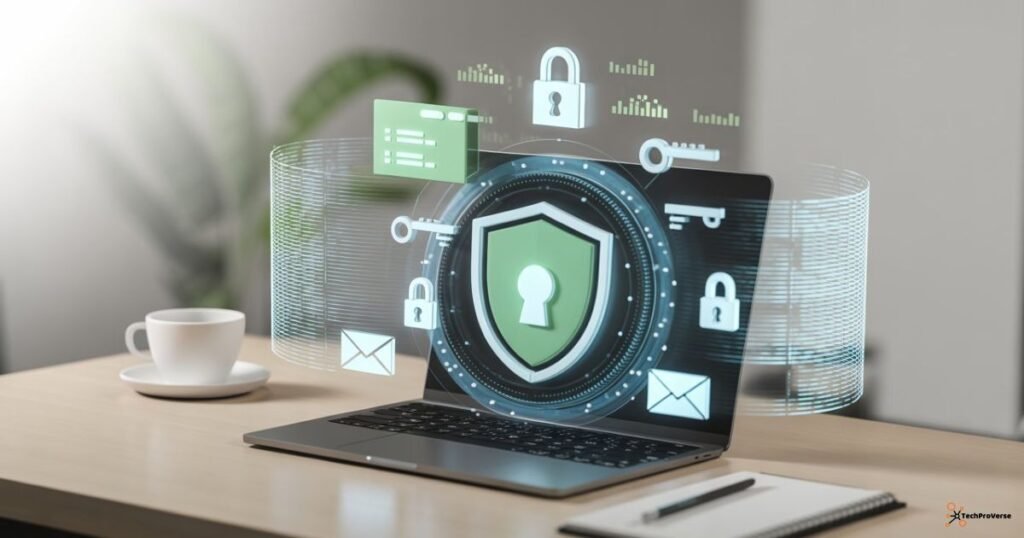
What Is Small Business Email Security?
Small business email security refers to a combination of tools, policies, and user practices that protect business email accounts from cyber threats such as phishing, malware, spoofing, and account takeovers.
It goes far beyond spam filtering.
A proper email security setup focuses on:
- Detecting malicious emails before users open them
- Preventing unauthorized access to inboxes
- Monitoring suspicious login behavior
- Stopping data leaks through email communication
Modern email security solutions combine technology and human awareness to reduce risk at every stage.
Common Email Security Threats Small Businesses Face
Understanding real threats makes protection much easier.
Phishing and Business Email Compromise (BEC)
Phishing emails pretend to come from trusted sources like banks, vendors, or company executives.
BEC attacks are even more dangerous because they target finance teams and decision-makers.
Real-life example:
A small marketing agency received an email that appeared to be from their CEO asking for an urgent payment. The email address looked legitimate. The payment was sent and never recovered.
Malware and Ransomware via Email
Attachments and links remain one of the most common malware delivery methods.
One malicious file can:
- Infect shared drives
- Lock business data
- Spread across connected devices
That’s why malware prevention for business email is critical.
Email Spoofing and Domain Impersonation
Attackers can fake emails using your business domain to trick customers or suppliers.
This leads to:
- Trust loss
- Brand damage
- Potential legal issues
Proper domain authentication stops this threat.
Weak Passwords and Account Takeovers
Reused or weak passwords make it easy for attackers to hijack inboxes.
Once inside, attackers often:
- Monitor conversations quietly
- Reset passwords for other services
- Launch further phishing attacks
Essential Email Security Features for Small Businesses
You don’t need enterprise-level tools, but these features are essential.
Advanced Spam and Phishing Filtering
Modern filters analyze sender reputation, email behavior, and content patterns, not just keywords.
Email Authentication (SPF, DKIM, DMARC)
These protocols verify that emails claiming to come from your domain are legitimate.
They also improve deliverability and prevent spoofing.
Multi-Factor Authentication (MFA)
MFA alone can block most account takeover attempts, even if passwords are stolen.
Attachment and Link Protection
Emails are scanned before users open files or click links, stopping threats automatically.
Monitoring and Alerts
Login alerts and activity logs allow a fast response to suspicious behavior.
Small Business Email Security vs Basic Spam Filtering
Many small businesses rely only on Gmail or Outlook defaults. While helpful, they are not complete protection.
| Feature | Basic Spam Filter | Email Security Solution |
| Spam blocking | Yes | Yes |
| Phishing detection | Limited | Advanced |
| Account takeover protection | No | Yes |
| Domain spoofing prevention | No | Yes |
| Business monitoring | No | Yes |
Dedicated email security solutions for small businesses provide deeper visibility and control.
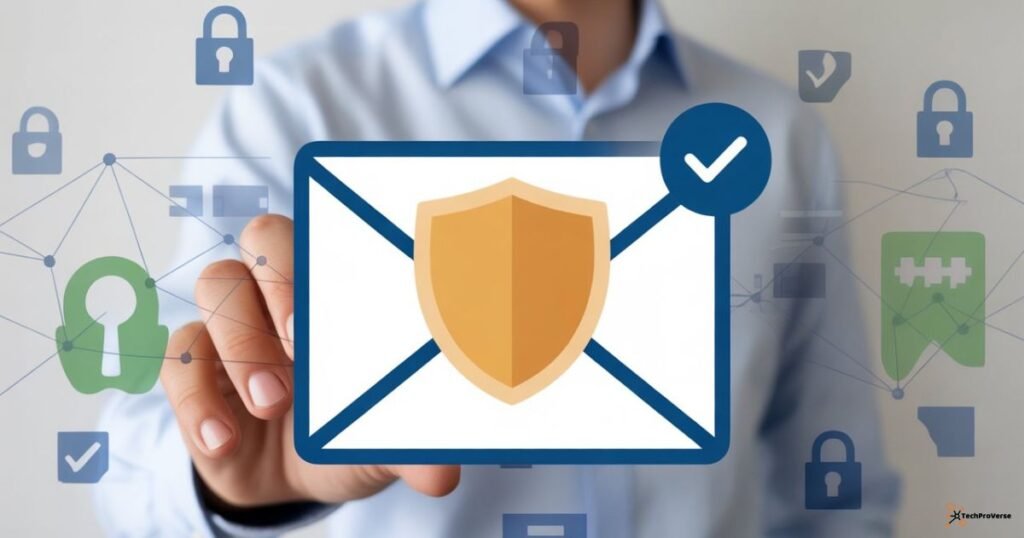
Email Security Best Practices for Small Businesses
Technology helps, but habits matter just as much.
- Use strong, unique passwords for each email account
- Enable MFA for all employees
- Train staff to recognize phishing emails
- Never click on unknown links or attachments
- Limit access based on job roles
- Review login activity regularly
In my opinion, employee awareness training is one of the most cost-effective security investments a small business can make.
Real-World Example: Email Security in Action
A small eCommerce store noticed repeated login alerts from another country. Their email security system flagged the activity and temporarily locked the account.
The attacker had obtained login credentials through a phishing email. However, MFA stopped access.
The business avoided:
- Customer data exposure
- Fraudulent refund requests
- Reputation damage
Without proper email security, this incident could have escalated within hours.
How Much Does Small Business Email Security Cost?
Email security is affordable compared to the damage it prevents.
Factors That Affect Pricing
- Number of email users
- Required features (phishing, archiving, monitoring)
- Cloud-based vs managed services
Most email security services for small businesses offer scalable pricing suitable for tight budgets.
Managed Email Security vs Self-Managed Setup
| Aspect | Managed Email Security | Self-Managed |
| Cost | Predictable | Variable |
| Expertise | Security specialists | Limited |
| Monitoring | 24/7 | Occasional |
| Response speed | Fast | Slower |
For businesses without in-house IT staff, managed email security often delivers better protection.
How to Choose the Right Email Security Solution
Focus on usability, not marketing buzzwords.
- Easy setup and management
- Works with your email platform
- Clear alerts and reporting
- Reliable customer support
- Compliance and data protection support
Good security should protect silently, not interrupt daily work.
Benefits of Strong Email Security for Small Businesses
- Reduced phishing and fraud risk
- Better protection of customer data
- Improved email trust and deliverability
- Safer remote and hybrid work
- Long-term cost savings
Frequently Asked Questions
Is email security really necessary for small businesses?
Yes. Small businesses are frequently targeted because their defenses are often weaker.
Is Gmail or Outlook security enough?
They help, but additional protection layers are recommended for business use.
Can email security stop phishing completely?
No solution is perfect, but it significantly reduces risk.
Do employees still need training?
Yes. Human awareness remains critical.
Will email security affect email delivery?
When configured correctly, it improves deliverability.
Related Headings:
How to Protect Your Data Online: Complete Guide for 2025
Zero-Day Vulnerability News 2025: Urgent Threats, Active Attacks & Patch Alerts
How to Detect Phishing Attacks
AI Regulation News Today: What’s Really Happening Around the World and Why It Matters
Small Business Computer Support: What It Really Means for Growing Companies
How to Protect Your Data Online: Complete Guide for 2025
Best Antivirus Software for PC 2025
Beginner’s Guide to Blue Team Cybersecurity
Final Thoughts: Why Small Business Email Security Is a Smart Investment
Email remains one of the most exploited attack vectors in cybersecurity. For small businesses, even a single successful email attack can cause significant financial and reputational damage.
Investing in small business email security isn’t about fear; it’s about responsibility.
Protecting email protects your customers, your operations, and your future growth.
In today’s threat landscape, secure email is not a luxury; it’s a foundation.

Welcome to TechProVerse! I’m Abdullah, a WordPress and front-end developer, as well as an SEO researcher with 1.5 years of experience. I help websites get built, optimized, and rank higher on Google. Let’s achieve more together!